

Greg
Hackney

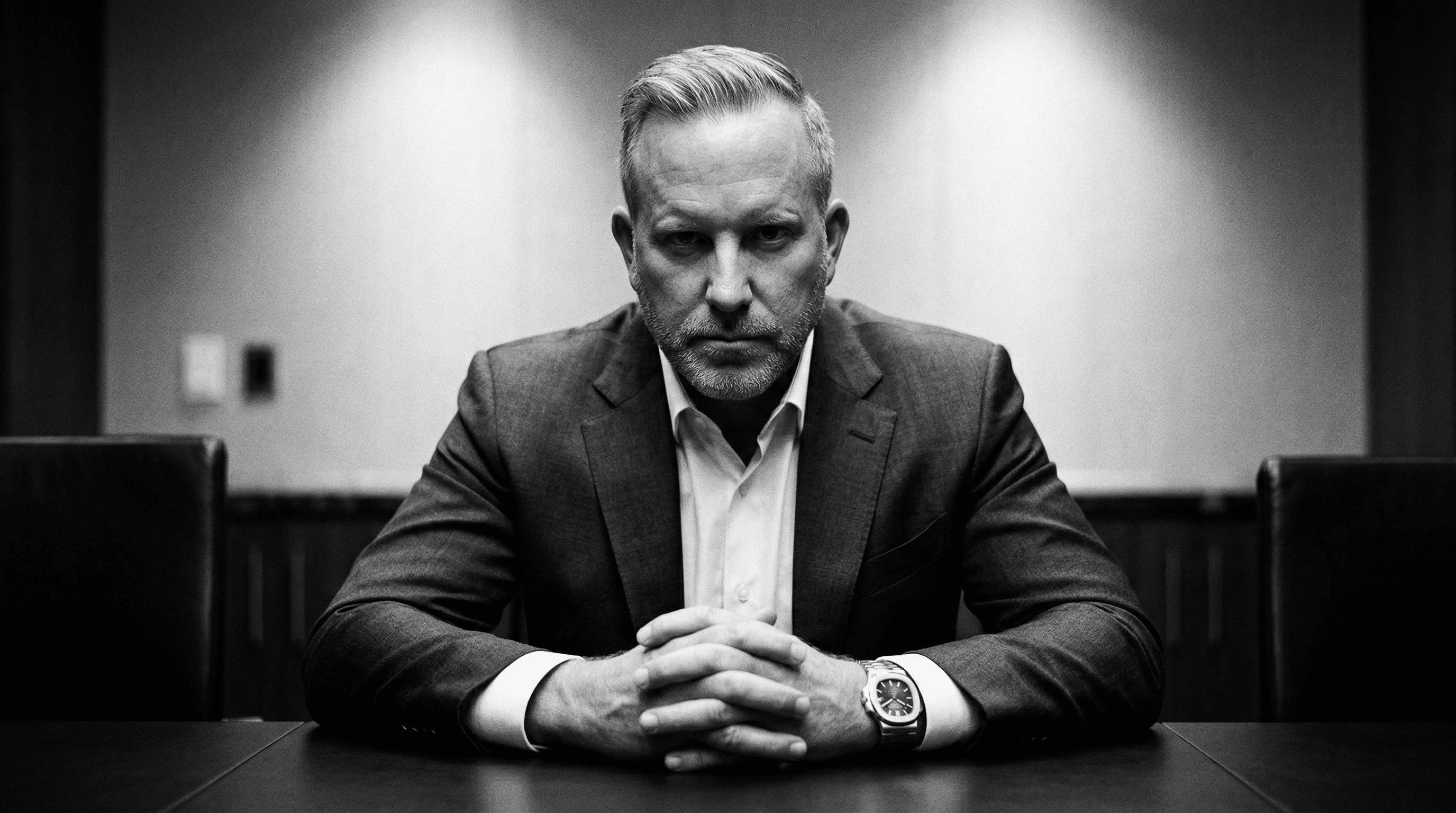
I was building AI quietly. Long before anyone called it that.
Twenty-five years ago I taught machines to listen.
I founded Expresiv Technologies, one of the early speech recognition and natural language processing companies. We built systems that could understand clinical language at a time when most of the industry was still pushing paper across a desk. The company was eventually acquired by 3M. The technology mattered. What mattered more was learning, in detail, how a real business absorbs a new idea — and how often it doesn't.
Most investors see a deck. I see the gap between what a technology promises and what an operator can actually run on a Tuesday morning.
Crossing that gap has been the through-line of everything since. Through Kiron Capital I've spent the last decade buying, building, and operating healthcare companies — orthopedic and spine groups, surgical services, diagnostics, revenue cycle, software — run out of Dallas and Miami, the two cities I call home. Twenty-four transactions, from $8M to $80M in revenue each, across the operating layer of healthcare delivery. Most of it done without a press release. We hold good companies. We don't flip them.
I work with a small team of operators I've known for twenty years. Most of our best deals started as a phone call between us.
“I make a point of knowing the name of every front-desk manager in every company we own.”
Alongside Kiron I help lead Core Capital, a $300M fund providing credit and equity to growing middle market companies. Same instinct, different instrument: capital that behaves like an operator, not a spreadsheet. My own capital is in every fund we run.
What ties them together isn't a thesis. It's an operating layer — a quiet stack of AI, data and process that I've been refining for twenty-five years. It runs underneath the portfolio. Most people never see it. That's by design.
Bio30 is what comes next. An intelligence engine for human biology, built on the same instinct that started all of this: that the right system, applied early enough, changes the shape of what's possible.
I read more biographies than business books. I still believe in showing up in person.
I don't take many meetings. The ones I take, I remember.
What I’m
Building
Three companies. One operating layer.
Kiron Capital
An operator-led healthcare holding company. We buy good businesses run by good people and we make them better one Tuesday at a time.
Visit →Bio30.ai
An intelligence engine for human biology. The next twenty-five years of the work that started with teaching machines to listen.
Visit →Core Capital
A $300M fund providing credit and equity to growing middle market companies. AI-driven sourcing, operator-driven underwriting.
Visit →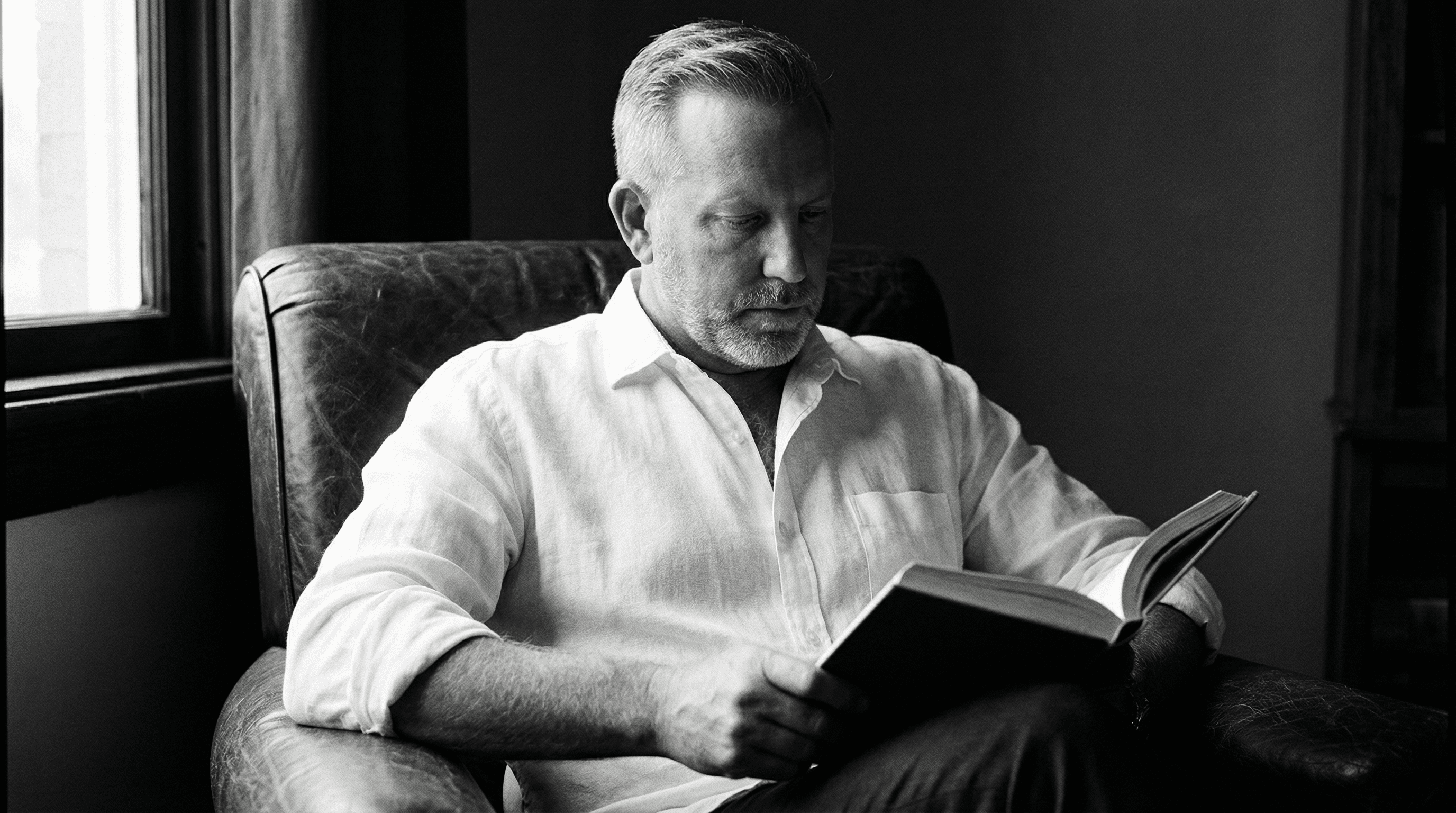
Perspectives
Three things I’ve stopped being polite about.
The 2010s VC Model Is a Liability
Growth-at-any-cost was a side effect of free money, not a strategy. The funds still running that playbook in 2026 are not bold — they are stuck. The next decade of returns belongs to operators who know how to take a $40M business to $120M without burning $200M to do it. That is a different sport, and most VCs were never trained for it.
Read on LinkedIn →AI Will Not Save a Bad PE Firm
Every PE firm in America added an AI slide to their deck this year. Almost none of them have changed how they actually run a portfolio company on a Tuesday. AI does not create alpha. Operating discipline creates alpha, and AI compounds it. If your firm cannot run an EBITDA bridge without a junior associate, an LLM is not your problem.
Read on LinkedIn →Healthcare Does Not Need More Disruptors
Healthcare has been promised disruption for fifteen years and what it actually got was a parade of founders who had never met a billing clerk. The companies that win in healthcare are run by people who know which forms the front desk hates. That is unglamorous work and it is the only work that matters.
Read on LinkedIn →
Three conversations
I’m always
open to.
- 01Founders quietly considering their next chapter.
- 02Capital that prefers to move without a press release.
- 03The few still building something worth building.